
Open Political Economy Analysis Programme
Publications
Have a suggestion for a product? Drop us a line after reading our author guidelines.
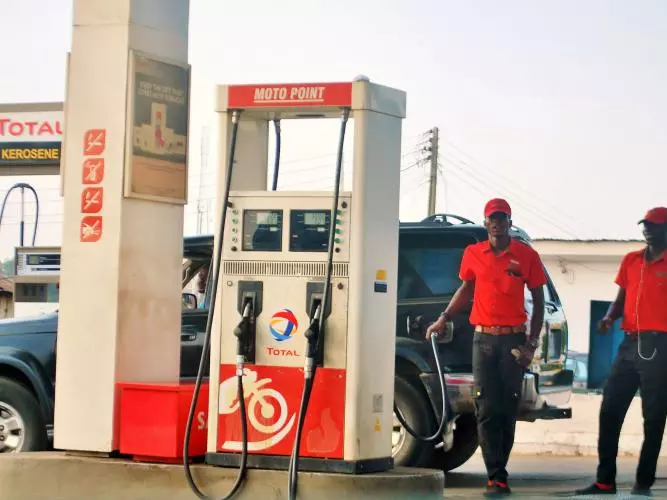
Fuel subsidy reform in Nigeria
The removal of Nigeria’s fuel subsidy in 2023 delivered important fiscal gains, but the costs have reached households faster than the benefits. Continued hardship and the approaching elections could increase pressure for policy reversal. Making reform last will require making fiscal gains visible to citizens, using political power to curb elite excess, delivering credible relief and creating stronger incentives to sustain reform. – By Afolabi Adekaiyaoja, Kenechukwu Nwagbo and Cameron Thibos
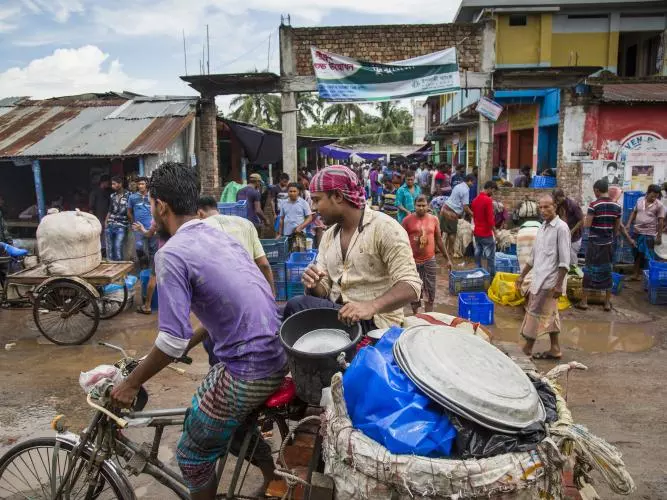
Revenue in Bangladesh
Bangladesh has a revenue crisis. Political and business elites have long used tax exemptions, discretionary enforcement and negotiated compliance to pay less than their fair share. This keeps revenue low, undermines basic services and weakens trust in the state. The government now has a narrow window for radical reform. Realigning tax administration, closing exemption loopholes and expanding the tax base from top down would cause short-term political pain, but this gamble is likely to foster long-term growth, development, resilience and a unique legacy for the BNP. – By Peter J Evans and Suvojit Chattopadhyay
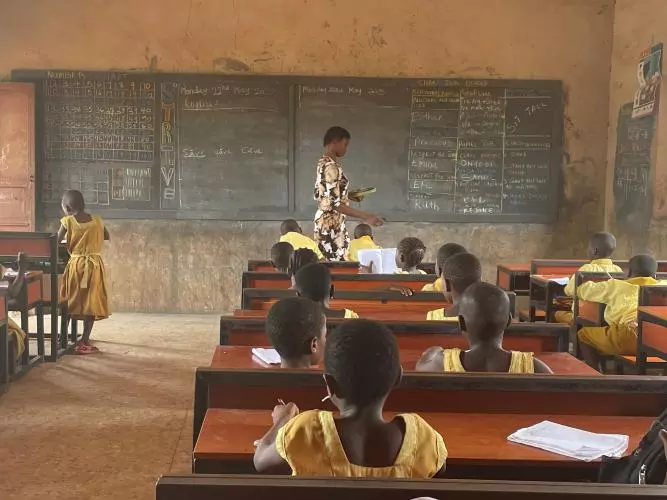
Public Private Partnerships in Education: Lessons from Edo State, Nigeria
Public Private Partnerships in education do not just involve technical decisions over financing, risk-sharing and service delivery. They require careful consideration of how authority and control are divided between the state and private providers, and for how long. Understanding and navigating this politics is critical to effective implementation and long-term sustainability. Nigeria’s Edo State illustrates how and why. – By Kenechukwu Nwagbo
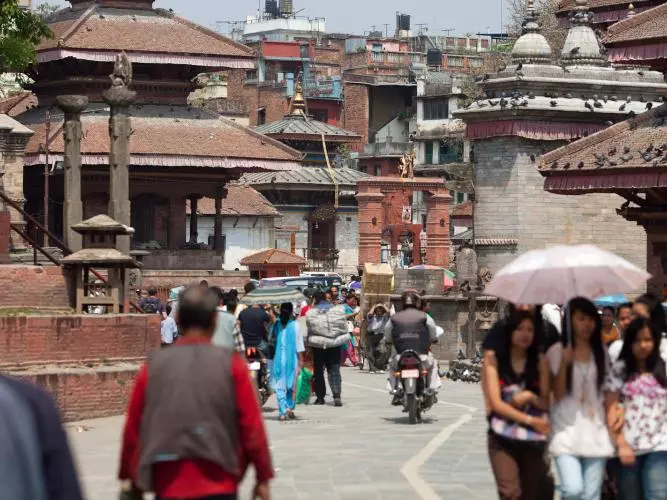
नेपालमा निजामती सेवा सुधारको व्यावहारिक राजनीति
नेपालको निजामती सेवाले नागरिकहरूको भन्दा बढी राजनीतिक दलहरूको सेवा गर्छ र त्यसले वृद्धि तथा विकासलाई सुस्त बनाउँछ । अहिलेको नयाँ सरकारसामु निजामती सेवाको राजनीतिकरणलाई अन्त्य गर्दै प्रगतिशील परिवर्तनलाई प्रवर्धन गर्ने अभूतपूर्व अवसर आएको छ । यो मौका चुकाउने हो भने नेपाल उही न्यून वृद्धि र विकास तथा उच्च आप्रवासनको चक्रमा फँसिरहने छ । ठुलो सङ्ख्यामा निजामती कर्मचारीहरू दक्ष, इमान्दार तथा लगनशील छन् तर मौजुदा संरचनाले उनीहरूलाई यिनै गुणका लागि दण्डित गर्छ । देशले फड्कोमार्नका लागि निजामती सेवामा विद्यमान राजनीतिक पक्षलाई प्रत्यक्ष रूपमा सम्बोधन गर्नु अत्यावश्यक छ ।
Civil service reform in Nepal
Nepal’s civil service serves political parties more than the people – and it is a drag on growth and development. The new government has a once-in-a-generation chance to depoliticise the civil service and catalyse progressive change. Missing it risks keeping Nepal stuck in a low-growth, low-development, high-migration loop. Many civil servants are skilled, honest and motivated, but the system punishes those traits. For change to happen, the political dimensions of the civil service need to be explicitly addressed. – By Open PEA
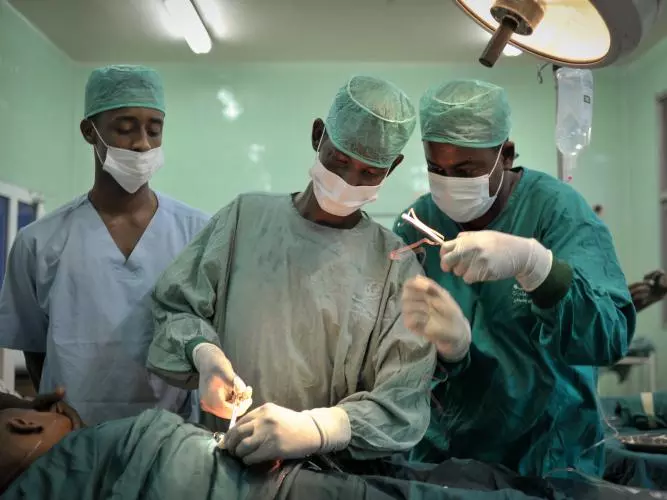
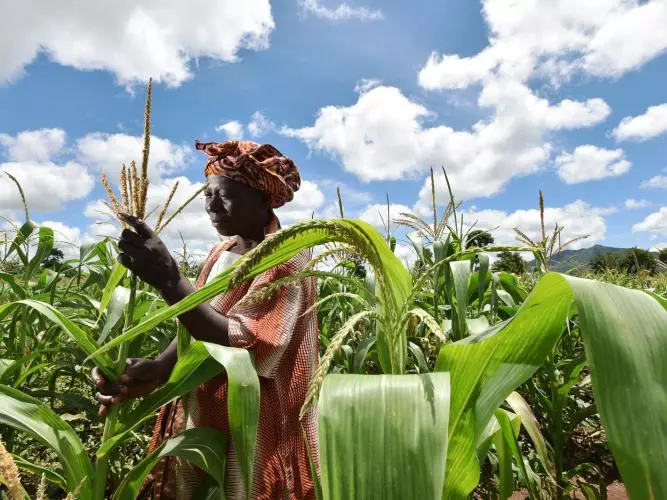
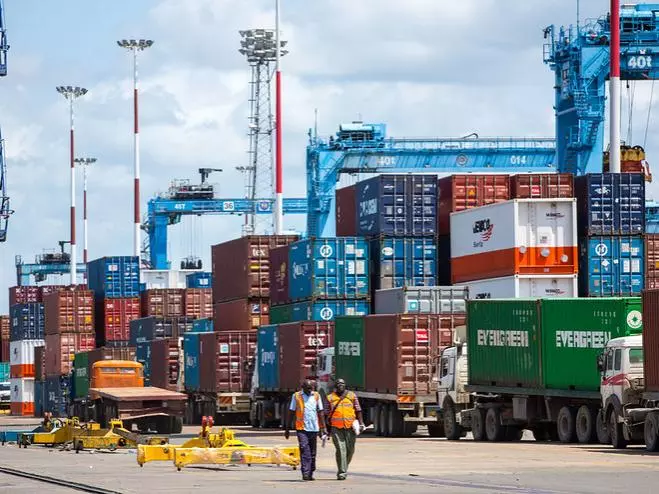
Public procurement in Kenya (prototype)
In Kenya, public procurement is economically vital yet subject to systemic leaks. Kenya’s new e-Government Procurement (eGP) system can help tackle these issues, but successful implementation of eGP hinges on political leadership, sufficient funding, public communication, and coalition-building.